
HVAC Outsourcing Guide: How Remote Teams Help You Handle Peak Season Without Overhiring
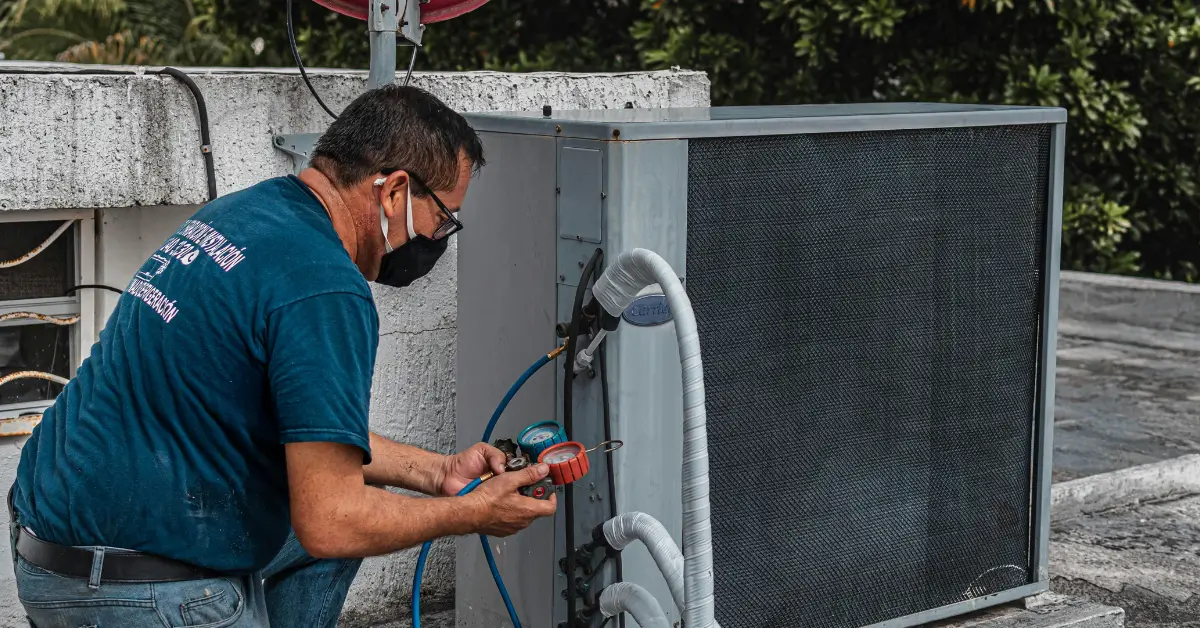
For HVAC contractors, peak season is both a blessing and a challenge. When summer heat waves or winter cold snaps hit, phones light up, schedules fill fast, and demand can spike overnight.
The problem? Staffing up locally to handle these surges is expensive, slow, and risky—especially when demand drops just as quickly as it rises.
That’s why more HVAC businesses are turning to outsourcing and remote teams. By offloading office and support tasks to trained remote professionals, HVAC contractors can scale operations during peak season—without overhiring or increasing long-term payroll.
This guide breaks down how HVAC outsourcing works, what to outsource, and how remote teams help you stay profitable during your busiest months.
Why Peak Season Breaks HVAC Operations
HVAC peak seasons expose operational weak points fast. Common issues include:
- Missed calls during heat waves or cold snaps
- Scheduling chaos and double bookings
- Delayed invoicing as crews stay busy in the field
- Owners working nights to catch up on admin
- Rushed local hiring that leads to mistakes or turnover
Hiring full-time local staff to cover these spikes often creates more problems than it solves—especially when demand drops and payroll stays high.
What HVAC Outsourcing Really Means
HVAC outsourcing means delegating non-field, repeatable office tasks to dedicated remote teams (often offshore) who work inside your systems and follow your processes.
These teams act as your back office during peak season—keeping operations running smoothly while your technicians focus on service and installs.
Common HVAC tasks handled by remote teams include:
- Call answering and lead intake
- Emergency call prioritization
- Scheduling and dispatch coordination
- Maintenance plan bookings
- Invoicing and payment follow-ups
- Customer confirmations and reminders
- CRM updates and job documentation
To customers, it feels like calling a fully staffed HVAC office—because it is.
How Remote Teams Help HVAC Contractors During Peak Season
1. Answer Every Call When It Matters Most
During peak season, homeowners don’t wait. If your call goes to voicemail, they move on to the next HVAC company.
Remote teams ensure:
- Calls are answered live
- Emergencies are flagged immediately
- Jobs are booked while demand is hot
Impact: More booked jobs and fewer lost opportunities—without you touching the phone.
2. Keep Scheduling Organized Under Pressure
Peak season creates constant schedule changes: cancellations, emergency add-ons, and technician availability shifts.
Remote scheduling teams handle:
- Real-time calendar updates
- Appointment confirmations
- Reschedules and cancellations
- Technician coordination
Impact: Fewer double bookings, less chaos, and higher technician productivity.
3. Get Invoices Out Faster (Even When Crews Are Busy)
When HVAC teams are overloaded, invoicing is often delayed—slowing cash flow when you need it most.
Remote teams:
- Send invoices immediately after job completion
- Track unpaid balances
- Send polite, consistent reminders
Impact: Faster payments and steadier cash flow during peak months.
4. Scale Support Without Permanent Payroll
Instead of hiring locally and risking overstaffing later, HVAC contractors can scale remote support up or down as demand changes.
Remote teams allow you to:
- Add coverage during heat waves or cold snaps
- Reduce hours when demand normalizes
- Avoid layoffs and payroll stress
Impact: Flexibility local hiring can’t match.
5. Improve Customer Experience at Scale
Peak season often hurts customer experience—but it doesn’t have to.
Remote teams handle:
- Appointment confirmations
- Service reminders
- Post-job follow-ups
- Review requests
Impact: Happier customers, better reviews, and stronger long-term retention—even during your busiest months.
What HVAC Contractors Should Outsource First
If you’re new to outsourcing, start with the highest-impact tasks:
- Call Answering & Lead Intake – Prevent lost jobs
- Scheduling & Dispatch – Keep technicians productive
- Invoicing & Follow-Ups – Protect cash flow
- Customer Communication – Reduce complaints and no-shows
These areas deliver the fastest ROI during peak season.
The Cost Advantage of HVAC Outsourcing
Hiring local admin staff often costs HVAC businesses $50,000–$65,000 per year once wages, taxes, and benefits are included.
Remote teams typically cost 50–70% less, while offering:
- Faster onboarding
- Built-in redundancy
- Seasonal scalability
- Lower long-term risk
Many HVAC companies build a full remote support function for the cost of one local hire.
Real-World Example
An HVAC contractor in Texas struggled every summer with missed calls and delayed scheduling.
After outsourcing call handling and scheduling during peak season:
- Missed calls dropped by 80%
- Daily booked jobs increased
- Invoice turnaround improved to same-day
- No local hires were added
They handled record demand—without overhiring.
When HVAC Outsourcing Makes the Most Sense
Outsourcing is especially effective if:
- You miss calls during peak season
- Admin work spills into nights and weekends
- You hesitate to hire locally due to seasonality
- Cash flow slows during busy months
- Customer complaints increase when demand spikes
If peak season feels chaotic, outsourcing is often the missing piece.
Final Thoughts
Peak season doesn’t have to mean burnout, missed jobs, or rushed hiring.
By using remote teams, HVAC contractors can:
- Capture more demand
- Keep schedules organized
- Get paid faster
- Protect customer experience
- Scale without permanent payroll
The HVAC businesses that win during peak season aren’t hiring more locally—they’re outsourcing smarter.
When demand surges, remote teams give you the flexibility and control you need to grow—without overhiring.

Latest insights and trends

Outsourcing for Electrical Contractors: How Remote Office Support Frees Up Your Crew

BPO Services for HVAC Companies: What Tasks to Outsource First as You Grow

How Roofing Companies Hire Virtual Assistants to Manage Estimates, Docs, and Follow-Ups
BPO for Plumbing Businesses: The Smart Way to Scale Without Hiring Locally

Electrical Contractor BPO Services: How to Scale Without Adding Payroll Risk
HVAC Outsourcing Guide: How Remote Teams Help You Handle Peak Season Without Overhiring

Offshoring Admin Work for Roofing Businesses: Cut Office Costs Without Slowing Jobs
Remote Office Staffing for Plumbing Contractors: What to Outsource and When
Why Electrical Contractors Are Using Offshore Virtual Assistants for Admin and Scheduling

How HVAC Contractors Use Offshore Virtual Assistants to Scale Operations Faster

Outsourcing for Roofing Contractors: How to Build an Offshore Back Office Without Hiring Locally

7 Admin Tasks Every Contractor Should Stop Doing Themselves

Virtual Assistants vs. In-House Admins: Which Is Right for Contractors?

Field vs. Office: How Outsourcing Balances Workloads for Contractors

How Outsourcing Helps Small Contractors Compete With Big Companies

How Contractors Can Use Outsourcing to Get More 5-Star Reviews

How Contractors Can Outsource Lead Qualification to Book More Jobs

How Outsourcing Invoicing Gets Contractors Paid Faster

How AI-Powered Virtual Assistants Are Changing the Game for Contractors

Why Being the First to Answer Homeowner Calls Wins You the Job
.webp)
What Is Outsourcing for Home Contractors? (And Why It’s Growing in 2025)

The Real Cost of Missed Calls: Why Contractors Need Outsourced Support

Why the Philippines is the Global Hub for Offshoring Success

Driving Growth In Home Improvement With Remote Teams

Outsourcing for Plumbers: How to Stop Losing Leads and Jobs

Outsourcing Solutions Every Roofing Contractor Needs in 2025

Why Electricians Are Turning to Outsourcing for Scheduling and Billing

How HVAC Contractors Use Outsourcing to Handle Seasonal Demand

Top 10 Tasks Home Contractors Should Outsource to Save Time and Money
